Wednesday, February 4, 2026

Why Poe Matters to the Boxing Videogame Community and Why That Makes Studios Uncomfortable


Why Poe Matters to the Boxing Videogame Community and Why That Makes Studios Uncomfortable

The boxing videogame community doesn’t suffer from a lack of voices.
It suffers from a lack of standards.

That’s where Poe enters the picture and why his presence matters far more than whether people agree with him or not.

Poe doesn’t bring hype.
He doesn’t bring blind optimism.
He doesn’t bring “it’s just a game” excuses.

He brings memory, accountability, and an expectation that boxing, as a craft, as a discipline, as a thinking sport, deserves to be treated with respect when translated into a videogame.

That alone makes him disruptive.


Poe Treats Boxing as a Craft, Not a Cosmetic

Most boxing game discussions start and end with:

  • Punch count

  • Knockouts

  • Flashy moments

  • Surface-level realism

Poe talks about:

  • Foot placement and weight transfer

  • Rhythm, breathing, fatigue, and pacing

  • Discipline, patience, and punishment

  • The uncomfortable reality that “boring” boxing is often great boxing

That reframes the entire conversation.

It quietly exposes a hard truth.
If a game doesn’t respect the subtleties, it doesn’t respect boxing.


A Voice Speaking for Boxers Who Don’t Speak at All

Poe is extremely passionate about boxing being represented properly in a boxing videogame, not just cosmetically, but structurally.

He often ends up speaking for:

  • Boxers who don’t care how they’re represented

  • Boxers who see it as “just an honor” to have their name in a game

  • Boxers who don’t understand how games shape public perception

Poe fills that vacuum.

Not to disrespect boxers, but to protect the sport when those closest to it don’t engage with how it’s portrayed digitally.

That’s a responsibility most people don’t want, and few take seriously.


He Occupies the Space Studios Fear Most

Studios are usually comfortable with two types of voices:

  • Fans who will defend anything

  • Critics who don’t understand boxing deeply enough to threaten design philosophy

Poe fits neither.

He doesn’t attack for clicks.
He doesn’t praise for access.
He doesn’t soften critiques to stay invited.

Instead, he questions foundations:

  • Why systems exist at all

  • What philosophy guided their design

  • Whether the game understands boxing logic beyond highlights

That kind of critique isn’t patchable.
It can’t be tuned away.
It demands introspection.


Poe Raises the Intelligence Floor of the Community

This may be the most threatening part.

Once someone explains why a mechanic feels wrong:

  • Players can’t unsee it

  • Marketing language stops working

  • Excuses stop landing

Involving Poe doesn’t calm a community. It educates it.

And an educated audience:

  • Asks better questions

  • Demands coherence

  • Sees through half-measures

That’s a long-term shift studios can’t easily control.


A Community Builder, Not a Divider

Poe isn’t just a critic. He’s a community-first builder.

Through his podcast and YouTube channel, he:

  • Creates space specifically for the boxing videogame community

  • Encourages dialogue instead of pile-ons

  • Pushes understanding, not tribalism

  • Keeps the conversation focused on boxing, not personalities

Most importantly, Poe is pro-options.

He doesn’t argue for one group of fans at the expense of another.
He argues for systems that allow:

  • Hardcore realism

  • Strategic depth

  • Accessibility through learning, not simplification

Options don’t isolate fans. They unify them. Poe understands that.


Poe Pushes Accountability, Not Engagement

Most studios chase engagement:

  • Clips

  • Buzz

  • Volume

  • Activity

Poe pushes accountability:

  • Why was this simplified

  • Why was realism compromised

  • Why does this system contradict boxing logic

  • Why are outcomes unearned

Engagement sells copies.
Accountability changes roadmaps.

That difference is everything.


Poe Refuses to Infantilize Boxing Fans

There’s an unspoken assumption in many modern sports games:

  • Players won’t notice depth

  • Players don’t want complexity

  • Players can’t handle realism

Poe openly rejects that assumption.

He argues that:

  • Depth doesn’t alienate casual players

  • Systems can teach without hand-holding

  • Boxing fans are smarter than studios assume

That challenges internal narratives used to justify shortcuts.


Why a Studio Might Avoid Involving Him

This isn’t about ego or personal dislike. It’s structural.

Involving someone like Poe seriously would mean:

  • Listening, not just appearing to listen

  • Reconsidering foundational decisions

  • Accepting that some criticisms can’t be solved with sliders

  • Admitting that certain design choices may have been wrong

Many studios want feedback, but not consequences.

Poe represents consequences.


The Uncomfortable Truth

Poe isn’t “too negative.”
He isn’t “toxic.”
He isn’t “too hardcore.”

He represents a version of a boxing game that demands:

  • Patience

  • Intelligence

  • Integrity

  • Long-term thinking

And once that comparison exists publicly, it never goes away.


Why Poe Ultimately Matters

Even when people disagree with Poe, they end up arguing on his terms:

  • Boxing vs spectacle

  • Depth vs accessibility

  • Craft vs flash

That’s influence.

Poe doesn’t just comment on boxing videogames.
He protects boxing’s identity within them, builds community around that identity, and pushes for a future where no group of fans is locked out.

Whether studios listen now or later, voices like Poe are why the future of boxing videogames doesn’t have to be hollow, shallow, or disposable.

Why boxing and gaming fans must demand a survey now, if SCI is making Undisputed 2


Why boxing and gaming fans must demand a survey now, if SCI is making Undisputed 2

Image


If Steel City Interactive is even thinking about Undisputed 2, this is the most important moment fans will ever get. Not after trailers. Not after beta. Not after launch. Now.
A real survey right now isn’t a “nice to have.” It’s the difference between a boxing game that evolves—and one that just repackages the same arguments with better lighting.


1. This is the last window where foundations can still change

Once a sequel moves past pre-production, the big stuff is locked:

  • core movement and footwork philosophy

  • stamina and fatigue logic

  • AI behavior models

  • career mode structure

  • offline vs online priorities

A survey after these are decided is performative. A survey before them is power.

If fans don’t speak now, they’re agreeing—silently—to whatever direction gets chosen.


2. Without a survey, devs only hear the loudest 5%

Right now, feedback comes from:

  • stream chat

  • Discord arguments

  • Twitter/X pile-ons

  • YouTube comment sections

That is not “the community.” That’s the most online, most reactive slice of it.

A structured survey:

  • captures quiet offline players

  • captures career-mode lifers

  • captures sim fans who don’t stream

  • captures boxing heads who don’t argue online

Silence gets mistaken for approval. A survey fixes that.


3. A survey forces clarity instead of endless circular debates

Right now, everything sounds like:

  • “Make it more realistic.”

  • “Don’t overcomplicate it.”

  • “It should feel like boxing.”

  • “It’s just a game.”

Those phrases mean nothing without data.

A real survey asks things like:

  • Do you prefer long tactical rounds or short explosive ones?

  • Should elite defense be rare and frustrating, or always breakable?

  • Should stamina punish poor footwork or just punch spam?

  • Do you mainly play offline, online, or both equally?

  • Do you want losses in career mode to feel earned, even if they hurt?

That’s how opinions turn into design direction.


4. Undisputed 2 will define the genre for years

There are not five boxing games competing right now. There’s basically one flagship lane.

Whatever Undisputed 2 becomes will:

  • set expectations for future boxing games

  • influence funding decisions

  • decide whether boxing games chase sim depth or arcade safety

If fans don’t demand input, they’re handing the steering wheel away for another console generation.


5. Surveys protect devs from the wrong kind of backlash

Here’s the irony: a survey actually helps SCI.

When decisions are backed by:

  • “X% of players preferred this”

  • “Offline players ranked this as their top priority”

  • “Career mode users overwhelmingly asked for this system”

…then backlash becomes harder to weaponize.
Data becomes armor.

No survey means every decision feels arbitrary, and every update feels personal.


6. Quiet fans are the majority, and they’re the ones being ignored

The loudest voices often want:

  • faster KOs

  • fewer layers

  • simpler answers

But the quiet majority often wants:

  • systems that reward patience

  • careers that feel earned

  • boxers that fight like boxers, not templates

A survey is the only way those players get represented.


7. If fans don’t ask now, they lose the right to complain later

This is the uncomfortable truth.

If Undisputed 2 drops and:

  • career mode is shallow

  • AI still feels generic

  • footwork still lacks nuance

  • offline players feel sidelined

…and no one pushed for a survey when it mattered?
That’s not just on the devs anymore.


Here is why saying “the developers already know what we want, they do not need a survey” is a bad position to take.


It replaces evidence with ego

No group of developers, content creators, or loud fans represents the entire community. Saying developers “already know” assumes personal preferences equal majority opinion. That is not insight. That is projection.

Surveys do one thing opinions cannot. They turn feelings into measurable data. Without data, developers are guessing. Guessing is how features get cut, systems get simplified, and excuses get justified later.


It protects bad assumptions

When surveys are avoided, false narratives survive.

Boxing is slow.
Casual players do not want depth.
Career mode does not matter.
Simulation does not sell.

Surveys challenge those assumptions. Without them, developers can hide behind internal beliefs instead of being challenged by real player behavior.


It gives developers cover to ignore criticism

When content creators say “trust the devs, they know what they are doing,” it removes accountability. Developers can point to engagement numbers, sales, or social media noise and say, “The community did not ask for this.”

A survey forces clarity. If ten thousand players say they want deeper footwork, stamina realism, or ranking politics, that cannot be brushed off as “a vocal minority.”


It silences quieter players

Not every fan posts on social media. Not every boxing fan watches streams or argues online. Many older fans, amateur boxers, trainers, and purists do not engage publicly, but they are the ones who want realism the most.

Surveys give those people a voice. Saying surveys are unnecessary only amplifies the loudest personalities and ignores everyone else.


It confuses feedback with noise

Comments, likes, and reaction videos are not structured feedback. They are emotional snapshots. Developers cannot design systems from vibes.

A proper survey asks specific questions:

  • What modes matter most?

  • What realism systems feel missing?

  • Where does frustration actually come from?

  • What depth is worth learning?

Without that structure, feedback becomes chaos, and chaos gets ignored.


It locks the genre in mediocrity

Boxing games are already rare. They cannot afford guesswork. When fans discourage surveys, they are helping developers repeat safe, shallow design choices instead of evolving the genre.

Every serious sports game that grew did so by studying its audience, not assuming it knew better than them.


It creates an unhealthy power dynamic

When content creators position themselves as translators for the community, surveys become a threat. A survey removes gatekeeping. It lets players speak directly, without filters, spin, or monetized opinions.

That is why some people resist them, even if they do not realize it.


The truth

Surveys do not replace developer vision. They sharpen it.

If a game truly represents what fans want, a survey will confirm it. If it does not, a survey exposes the gap early, before trust is lost and excuses start piling up.

Rejecting surveys is not confidence. It is fear of being wrong.

And for a genre fighting for respect, that mindset is self-sabotage.


The bottom line

A survey right now isn’t entitlement.
It’s basic respect between creators and the people keeping the genre alive.

If Undisputed 2 is coming, fans should be saying, clearly and collectively:

“Before you build the future of boxing games, ask us what boxing actually means to us.”

This is the moment.
Miss it, and the conversation resets to arguments instead of progress.

Monday, February 2, 2026

Boxing Videogames Do Not Fail by Accident. They Fail by Disrespect.


Boxing Videogames Do Not Fail by Accident. They Fail by Disrespect.

Boxing does not struggle in videogames because the sport is difficult. It struggles because too many game companies do not respect it enough to understand it.

That disrespect shows up everywhere. In design choices. In marketing language. In how fans are talked to. In how boxers are represented. In the constant lowering of expectations before the first punch is even thrown.

Boxing is treated as something that must be simplified to survive, when in reality, its depth is the very thing that could make a boxing videogame great.


Boxing Is Handled Like a Risk Instead of a Legacy

When studios approach boxing, they approach it cautiously, as if the sport itself is a liability. Development decisions are framed around fear. Fear that systems will be “too deep.” Fear that players will not understand stamina. Fear that footwork and positioning are too complicated. Fear that authenticity will scare people away.

That fear does not exist when other sports are made into games.

Football games embrace playbooks, audibles, and personnel packages. Basketball games dive into spacing, tendencies, momentum, and fatigue. Racing games simulate tire wear, fuel, weather, and aerodynamics.

Boxing, however, is constantly stripped down. Mechanics are shaved away. Nuance is removed. What remains is a shallow shell that resembles boxing visually but not spiritually.

That is not a limitation of the sport. It is a limitation of imagination.


Simplifying Boxing Does Not Make It Accessible. It Makes It Hollow.

There is a persistent belief in the industry that boxing must be reduced for casual players. That belief is not only wrong, it is damaging.

Casual players are not afraid of learning. They are afraid of boredom.

A player does not become invested in boxing by landing random punches. They become invested when they understand why one decision worked and another failed. When they feel the consequences of fatigue. When they learn how range, timing, and patience win fights.

A great boxing videogame would teach players how boxing works without lecturing them. It would turn curiosity into understanding and understanding into appreciation.

When companies refuse to build that bridge, they rob boxing of one of its most powerful growth tools.


Boxing Fans Are Not the Problem. They Are the Resource.

Few fanbases are as knowledgeable or as passionate as boxing fans, yet they are treated like an obstacle rather than an asset.

When fans ask for realism, they are told they are impossible to satisfy. When they ask for depth, they are accused of nostalgia. When they point out flaws, they are labeled negative or toxic.

This attitude reveals a fundamental misunderstanding.

Boxing fans are not asking for fantasy. They are asking for the sport they already love to be represented with care. They want systems that reflect real decisions, real consequences, and real styles.

Ignoring that knowledge does not protect a game. It weakens it.


Boxers Are Reduced to Marketing Assets Instead of Individuals

Perhaps the most insulting aspect of modern boxing games is how boxers themselves are handled.

In real life, no two boxers move the same. No two boxers think the same. No two boxers fight the same fight. These differences are the heart of boxing.

In many videogames, those differences barely exist.

Boxers share animations. They share movement logic. They share reactions. Their identities are flattened into ratings and cosmetics. Legends become skins. Styles become presets.

A boxing game should allow players to recognize a boxer before the name appears on screen. When that does not happen, the sport loses its soul.


Presentation Without Meaning Is Empty

Boxing is drama. It is anticipation. It is ritual. It is pressure building round by round.

Yet boxing games often present fights like disconnected exhibitions. Walkouts feel lifeless. Crowds lack momentum. Commentary feels detached. The emotional stakes that define real fights are absent.

This is not a budget issue. It is a priority issue.

When presentation is treated as decoration instead of storytelling, boxing loses its power to captivate new fans.


A Boxing Videogame Can Create Fans for Life. Or None at All.

This is the part the industry keeps missing.

A boxing videogame is not just a product. It is a gateway.

For many players, a game will be their first meaningful exposure to boxing. That experience will shape how they view the sport. It can spark curiosity, respect, and fandom. Or it can leave them thinking boxing is shallow, repetitive, and uninteresting.

That responsibility should matter.

When companies rush development, ignore expertise, and dismiss criticism, they are not just releasing a flawed game. They are misrepresenting an entire sport.


Respect Is Not Optional

Boxing does not need to be reinvented. It needs to be understood.

It needs developers who are willing to study the sport. Designers who respect its subtleties. Producers who trust players to learn. And studios that value long-term legacy over short-term convenience.

Respect the sport, and the design will follow.
Respect the fans, and the community will grow.
Respect the boxers, and the game will finally feel alive.

Until then, boxing videogames will continue to fall short, not because boxing is too complex, but because it is not being taken seriously enough.


Friday, January 30, 2026

A Call to Action to Steel City Interactive’s Designer(s)


A Call to Action to Steel City Interactive’s Designer(s)

Image


This is not an attack.

This is not hate.
This is not “fans telling developers how to do their jobs.”

This is a call to action—because the window to get the next boxing game right is shrinking.

Stop designing in a vacuum

Boxing is not a generic sport, and boxing fans are not interchangeable with other sports audiences. Designing systems based on assumptions, internal consensus, or loud online subsets has already shown its limits.

The community has done something rare: it organized its expectations, criticisms, and ideas into a coherent, system-focused framework. Ignoring that doesn’t protect creative control—it increases risk.

Use The Boxing Blueprint/Wishlist as a diagnostic tool

No one is asking you to copy it feature for feature. The ask is simpler and more professional:

  • Use it to pressure-test design decisions

  • Use it to spot missing systems early

  • Use it to understand why certain frustrations keep repeating

  • Use it to separate short-term noise from long-term value

This is what good designers do. They seek friction before the market creates it for them.

Boxing games live or die on depth, not hype

Flashy trailers, licenses, and surface-level realism won’t carry a sequel. Boxing fans stay when:

  • AI behaves like real boxers, not puppets

  • Career modes feel authored, not procedural

  • Presentation respects the sport’s culture and history

  • Offline play feels complete, not secondary

These are not “wishlist fantasies.” They are retention pillars.

The community you’re overlooking is the one that stays

Casual players may sample. Competitive players may stream.
But long-term boxing fans:

  • Buy full-price

  • Play offline for years

  • Evangelize when trust is earned

  • Abandon franchises when they feel dismissed

Designing without them is how franchises stall.

This is about credibility, not control

Engaging with structured community work does not weaken authority. It strengthens it. Studios that last:

  • Listen without posturing

  • Filter without ego

  • Adapt without overcorrecting

If your design vision is strong, it will survive scrutiny. If it isn’t, it’s better to know now.

To designers like Jason Darby and others at SCI

You don’t need to win arguments online.
You don’t need to promise the world.
You don’t need to defend the past forever.

What you do need is alignment—between:

  • The sport

  • The systems

  • The audience

  • The future of the franchise

The Boxing Blueprint/Wishlist exists because people still care enough to do the work for free.

That won’t last forever.

The bottom line

This is the moment where you either:

  • Build the foundation for a respected, long-running boxing series

  • Or repeat the cycle of excuses, patches, and lost trust

The community has handed you a map.
You don’t have to follow every road—but pretending the map doesn’t exist is the real mistake.

Use it. Engage with it. Challenge it.
That’s how better games get made.

Thursday, January 29, 2026

Who Should Playtest a Realistic Boxing Videogame and Why Competitive Gamers Are Not the Starting Point


Who Should Playtest a Realistic Boxing Videogame and Why Competitive Gamers Are Not the Starting Point

A realistic boxing videogame cannot be playtested by a single group. Boxing is a sport built on consequence, fatigue, positioning, psychology, and long term decision making. Because of that, playtesting must be layered and intentional. Who tests first defines what the game becomes.

The Core Principle

Competitive gamers should absolutely be involved in playtesting.
They just should not be the first, primary, or loudest voices when realism is the goal.

That is not disrespect. That is role clarity.

What Different Playtesters Optimize For

Competitive gamers optimize for winning, efficiency, frame advantage, input speed, and dominant strategies.

Realistic boxing optimizes for risk versus reward, punishment for mistakes, fatigue, recovery, positioning, timing, and style identity.

Those priorities overlap in some areas, but they are not the same. When competitive priorities lead early development, realism erodes quickly.

Who Should Playtest First and Why

Boxers, amateur and professional
They immediately recognize fake movement, unrealistic pacing, unsafe punch recovery, and incorrect distance. They feel when footwork, balance, and fatigue are wrong.

Trainers, coaches, and cornermen
They understand boxing as a system. They test whether styles make sense over rounds, whether adjustments matter, and whether pacing and strategy evolve naturally.

Boxing historians and analysts
They ensure that styles, eras, and legendary fighters do not collapse into reskinned templates. Boxing realism is also historical realism.

Simulation focused boxing gamers
Offline and career focused players stress test AI behavior, long term balance, slider systems, and replay value. They expose repetition and shallow systems.

Only after those foundations are correct should the next group step in.

Where Competitive Gamers Actually Excel

Competitive gamers are specialists, not architects.

They are excellent at:

  • Finding exploits

  • Breaking systems

  • Stress testing input buffering

  • Identifying dominant strategies

  • Pressure testing responsiveness and online play

That work belongs in late stage development, not at the foundation.

What Happens When Competitive Gamers Lead Too Early

When competitive gamers dominate early playtesting:

  • Punches get faster and safer

  • Defense becomes overly strong

  • Stamina stops mattering

  • Risk disappears

  • Everyone fights the same way

  • The meta replaces boxing

The game may be balanced, but it stops being boxing.

The Order Is Everything

This is the part many people miss.

Who playtests first defines the game’s identity.
Who playtests last refines it.

If realism is established first, competitive play adapts to boxing.
If competition is established first, boxing adapts to competition.

Those are completely different outcomes.

A Simple Analogy

You do not ask esports racers to design a real race car.
You ask engineers and drivers first.

Then you let competitive players push the limits after the machine exists.

Same logic applies to boxing.

The Bottom Line

Competitive gamers are not the enemy.
They are just not the authority on realism.

If boxers, trainers, and historians do not recognize themselves in the ring, no amount of competitive balance will save the experience.

So the real question is not who should be excluded.

The real question is this:

Are we building a boxing simulation, or a competitive game that happens to use boxing animations?

That decision starts with who you let touch the game first.

The Boxing Videogame Fans Want: Poe & the Community’s Core Expectations


Poe & The Fans’ Expectations for a Boxing Videogame

(Blueprint + Wishlist Edition)


1. Core Philosophy (Non-Negotiable)

  • Boxing is a system of decisions, not a reaction game

  • Mechanics must be contextual, not universal

  • No system should exist in isolation (movement, stamina, damage, AI must talk to each other)

  • The game must support multiple truths of boxing, not one “correct” way to play

  • Realism ≠ slow, clunky, or boring
    → realism = consequences


2. Movement, Footwork & Ring Geography (Blueprint Priority)

  • True ring generalship (cutting off the ring actually works)

  • Lateral movement drains stamina differently than forward pressure

  • Back-foot fighters gain efficiency, not invincibility

  • Footwork types:

    • Creeping pressure steps

    • Bounce-in / bounce-out rhythm

    • Pivot-heavy angle creators

    • Flat-footed plodders

  • Bad foot placement causes:

    • Slower recovery

    • Reduced punch power

    • Balance penalties

  • Rope proximity affects:

    • Punch selection

    • Defensive options

    • AI decision trees

  • Corner trapping is earned, not scripted


3. Punching Systems (Beyond “Light / Heavy”)

  • Punches have intent:

    • Range-finders

    • Disruptors

    • Damage dealers

    • Setups

  • Punch effectiveness affected by:

    • Stance

    • Distance

    • Momentum

    • Fatigue

    • Balance

  • Missed punches matter (whiffs cost energy and position)

  • Arm fatigue exists separately from cardio fatigue

  • Punch speed drops late—even for elite boxers

  • Body punches:

    • Reduce punch output later

    • Affect get-up speed

    • Change AI confidence


4. Defense Is Not Binary

  • Slipping early vs late produces different outcomes

  • Blocking drains stamina and vision

  • High guard vs cross-arm vs shell are situational, not cosmetic

  • Defensive habits develop over rounds

  • Panic defense exists

  • Defensive IQ separates elites from journeymen


5. Damage, Hurt States & Fight Flow (Blueprint Core)

  • Hurt states are layered, not on/off:

    • Flash hurt

    • Accumulated damage

    • Systemic fatigue

    • Psychological pressure

  • Getting rocked changes:

    • Punch selection

    • Footwork confidence

    • AI aggression

  • Some boxers get reckless when hurt
    Some survive by instinct
    Some mentally break

  • Knockdowns are physics + context, not RNG

  • Recovery varies by:

    • Chin

    • Experience

    • Corner quality

    • Damage type


6. AI That Thinks Like a Boxer

  • AI must have preferences, not scripts

  • Every boxer has:

    • Comfort zones

    • Risk tolerance

    • Fight IQ ceiling

    • Emotional responses

  • AI adapts between rounds, not instantly

  • AI can:

    • Steal rounds

    • Protect a lead

    • Chase desperation KOs

    • Survive ugly

  • AI mistakes are intentional—not bugs


7. Tendencies, Capabilities & Personality Sliders (Wishlist Staple)

  • 100+ tendency(not all visible, optional) sliders, including:

    • Patience under pressure

    • Body punch commitment

    • Clinch reliance

    • Feint frequency

    • Late-round discipline

  • Capability sliders:

    • Recovery rate

    • Balance retention

    • Damage resistance by zone

  • Traits override sliders contextually

  • Sliders affect AI and player-controlled boxers

  • No hidden rubber-banding


8. Clinch, Inside Fighting & Dirty Boxing

  • Clinch is a micro-game, not a pause

  • Hand fighting matters

  • Ref variability:

    • Quick breaks

    • Warnings

    • Point deductions

  • Inside specialists gain advantages

  • Fatigue heavily influences clinch outcomes

  • Clinch abuse is punishable organically


9. Career Mode Must Be a Simulation

  • Career arcs:

    • Early hype

    • Plateau

    • Reinvention

    • Decline

  • Layoffs affect timing and stamina

  • Injuries alter training and fight plans

  • Training camps:

    • Style-based

    • Trainer-dependent

    • Consequence-driven

  • Bad matchmaking can ruin careers

  • Titles are not guaranteed

  • Losses matter—but don’t end careers unrealistically


10. Trainers, Gyms & Corners (Blueprint Expansion)

  • Trainers have philosophies

  • Corners affect:

    • Recovery

    • Confidence

    • Tactical shifts

  • Bad advice exists

  • Elite trainers unlock strategic layers

  • Gym culture influences tendencies


11. Presentation as Storytelling

  • Crowd reacts to momentum, not just KOs

  • Commentary references:

    • Fight narrative

    • Past performances

    • Style matchups

  • Ring walks reflect psychology

  • Post-fight reactions differ for:

    • Robberies

    • Dominant wins

    • Wars

  • Presentation respects eras and cultures


12. Creation & Player Freedom (Sacred Ground)

  • Create-A-Boxer is a system editor

  • Create trainers, gyms, and stables

  • Share and import creations freely

  • Creations behave correctly in AI hands

  • No artificial caps that break realism

  • Offline-first philosophy


13. Balance Philosophy (Where Most Games Fail)

  • Realism modes vs sport modes

  • Sliders > forced balance

  • No patch that erases styles

  • Fix exploits without flattening identity

  • Accept that some styles counter others


14. Developer Accountability Expectations

  • Stop hiding behind “first game” excuses

  • Stop blaming realism for bad design

  • Communicate design intent honestly

  • Build modular systems

  • Respect boxing knowledge outside the studio

  • Treat offline fans as first-class citizens


15. What The Blueprint Explicitly Rejects

  • Universal mechanics

  • Animation-first design

  • Esports-only priorities

  • Fake depth via cosmetics

  • “Press to win” systems

  • Ignoring boxing history


Final Truth

Poe and the fans aren’t asking for nostalgia.
They’re asking for evolution, a boxing videogame built like a sport, not a skin-deep product.


Do You Have to Be a Boxer to Make a Realistic Boxing Videogame?

Do You Have to Be a Boxer to Make a Realistic Boxing Videogame?

And Are Boxers, Trainers, Historians, and Film Study Needed in the Studio?

This debate keeps resurfacing, and it keeps derailing meaningful discussion.

The claim is simple and sounds logical on the surface:
“If you have never boxed, you cannot make a realistic boxing videogame.”

It is also wrong. Worse, it has become a convenient shield used to defend shallow mechanics, weak AI, and underdeveloped systems.

The truth is more nuanced, less romantic, and far more demanding.


1. The Fundamental Mistake: Confusing Experience With Translation

Boxing experience and the ability to model boxing are not the same skill.

A boxer:

  • Reacts instinctively

  • Adjusts subconsciously

  • Operates on feel, rhythm, and habit

A videogame:

  • Requires explicit rules

  • Requires measurable variables

  • Must expose cause and effect

  • Must behave consistently across thousands of situations

If someone cannot clearly explain why something happens in boxing in repeatable terms, they cannot design it. That is true regardless of how much they boxed.

Realism in games comes from translation, not participation.


2. Boxing Videogames Are Systems, Not Memories

A realistic boxing videogame is not built from personal recollection.

It is built from interacting systems:

  • Distance and spacing

  • Timing and initiative

  • Risk and commitment

  • Fatigue and recovery

  • Damage accumulation

  • Psychological pressure

  • Tactical decision making

  • AI adaptation

If even one of these systems is shallow, the illusion of boxing breaks. No amount of boxing background compensates for weak system design.

Systems do not care about résumés.


3. Why Boxing Experience Alone Often Hurts Design

This is uncomfortable but necessary to say.

When boxing experience is treated as unquestionable authority, it often leads to:

  • Gut feeling overriding structure

  • “That would never happen” logic ignoring edge cases

  • Resistance to abstraction

  • Designing for ego instead of outcomes

  • Confusing restriction with realism

Real boxing is messy. Fighters make bad decisions. They panic. They abandon game plans. They repeat mistakes.

Games that chase “authentic feel” without systems often erase these realities and replace them with clean, heroic, predictable behavior. That is not realism. It is fantasy boxing.


4. The Question Studios Should Ask, But Rarely Do

The important question is not:
“Did you box?”

It is:
“Can you explain your boxing systems under pressure?”

Ask any developer:

  • Why does missing a punch matter?

  • How does stamina change decision making?

  • What happens when a fighter panics?

  • How do tendencies override player intent?

  • What stops perfect defense?

  • How does distance actually punish mistakes?

If the answers are vague, defensive, or rely on “you would understand if you boxed,” the systems are weak.


5. Realism Is Behavioral, Not Visual

Most boxing games chase realism in the wrong place.

They focus on:

  • Motion capture

  • Punch variety

  • Broadcast presentation

  • Big cinematic moments

Realism lives in behavior:

  • Fighters freezing after being clipped

  • Pressure fighters overcommitting when tired

  • Slick boxers losing discipline late

  • Bad habits surfacing under stress

  • Styles clashing in unpredictable ways

These are AI and systems problems, not animation problems. Boxing experience does not automatically solve them.


6. Where Boxers, Trainers, Historians, and Film Study Actually Fit

Yes, these roles are needed. But they are not designers. They are domain authorities.

Boxers

Boxers are invaluable for:

  • Describing emotional and psychological pressure

  • Identifying when behavior feels fake

  • Explaining what happens when plans break down

They validate outcomes, not implementations.

Trainers

Trainers are often more useful than boxers for:

  • Tactical structure

  • Adjustment logic

  • Style matchups

  • Discipline versus chaos

  • Long term habit formation

They think in systems naturally, which maps well to AI behavior.

Historians

Historians prevent modern bias and flattening of styles.
They help with:

  • Era specific pacing and rules

  • Style evolution

  • Cultural approaches to boxing

  • Avoiding present day assumptions

Without them, every era plays the same.

Film Study

Film study is non negotiable.

Not highlights. Not montages. Full rounds.

Film study reveals:

  • True exchange frequency

  • Miss rates

  • Recovery time

  • Distance errors

  • Repetitive habits

  • Ugly, uncinematic moments

Film settles arguments and replaces memory with evidence.


7. The Correct Studio Structure

This is where studios succeed or fail.

  1. Systems designers and AI engineers build the mechanics, rules, sliders, states, and penalties.

  2. Boxers, trainers, and historians validate outcomes, flag unrealistic behavior, and provide correction.

  3. Film study acts as the final authority when opinions conflict.

When boxing authorities override systems design, realism suffers.
When systems ignore boxing authorities, realism collapses.
When film study is missing, ego replaces evidence.


8. Why the Myth Persists

The “you must have boxed” argument survives because it is useful.

It shuts down criticism.
It avoids accountability.
It reframes design flaws as ignorance.

If realism were actually present, it would not need gatekeeping to defend it.


9. The Truth About Hybrid Games and False Realism

Many boxing games are intentionally hybrids:

  • Forgiving timing

  • Artificial momentum

  • Overpowered defense

  • Predictable AI behavior

They feel like boxing.
They look like boxing.
They are not simulations.

Calling them realistic lowers the bar and poisons the conversation about what is possible.

Realism is about consequence, not comfort.


10. 

You do not need to be a boxer to make a realistic boxing videogame.

You do need:

  • Deep systems thinking

  • Respect for the sport

  • Willingness to embrace discomfort

  • Obsession with cause and effect

  • Courage to let fights be messy, ugly, and unfair

Boxing games do not fail because developers did not box.

They fail because developers did not design boxing deeply enough.

Wednesday, January 28, 2026

My Expectations as a Fan of Boxing for an AI Programmer Building a Truly Realistic Boxing Videogame (Unreal Engine)


My Expectations as a Fan of Boxing for an AI Programmer Building a Truly Realistic Boxing Videogame (Unreal Engine)

A realistic boxing videogame demands an AI system that simulates boxer identity, not just opponent difficulty. The expectation is an AI architecture capable of producing thousands of distinct boxing behaviors through layered sliders, traits, tendencies, mannerisms, and contextual decision-making—without hardcoding outcomes or relying on artificial boosts.

This is not about spectacle. It is about authenticity, variability, and systemic depth.


1) Foundational Principle: Boxing AI Is a Behavioral Ecosystem

The AI must be designed as a multi-layered behavioral ecosystem, where:

  • Capabilities define what is physically and mentally possible

  • Tendencies define what is preferred

  • Traits define what overrides normal behavior

  • Mannerisms define how behavior is expressed

  • Psychology defines why behavior changes

  • Context defines when behavior shifts

Every action taken by the AI should be explainable through these layers.


2) Capability Sliders (What the Boxer Is Capable Of)

Capabilities are not “ratings.” They are constraints and consistency modifiers.

A) Offensive Capabilities

  • Jab speed

  • Jab accuracy

  • Jab recovery

  • Jab authority (ability to disrupt rhythm)

  • Straight punch mechanics

  • Lead hook mechanics

  • Rear hook mechanics

  • Uppercut timing precision

  • Punch chaining fluidity

  • Punch commitment control (ability to bail mid-action)

  • Punch retraction speed

  • Punching balance retention

  • Power transfer efficiency

  • Hand speed under fatigue

  • Punch accuracy decay rate

B) Defensive Capabilities

  • Static guard integrity

  • Dynamic guard adjustment speed

  • Parry window size

  • Slip window precision

  • Roll execution reliability

  • Pull-counter balance retention

  • Recovery defense (defense while hurt)

  • Counter-defense transition speed

  • Guard recovery after impact

  • Defensive mistake rate under pressure

C) Footwork & Movement Capabilities

  • Forward pressure balance

  • Backward movement control

  • Lateral movement efficiency

  • Pivot sharpness

  • Angle exit reliability

  • Stance stability under fire

  • Cut-off geometry awareness

  • Rope awareness

  • Corner escape capability

  • Momentum control (stop/start movement)

  • Footwork degradation under fatigue

D) Athletic & Physical Capabilities

  • Aerobic stamina

  • Anaerobic burst capacity

  • Fatigue recovery rate

  • Balance under contact

  • Chin durability

  • Body durability

  • Leg durability

  • Torque generation

  • Injury resistance

  • Injury compensation ability

E) Cognitive & Ring IQ Capabilities

  • Read accuracy

  • Read speed

  • Pattern recognition

  • Deception recognition

  • Counter timing precision

  • Gameplan retention

  • Adjustment speed

  • Feint interpretation skill

  • Risk calculation accuracy

Capabilities answer:
“Can this boxer do this, and how well?”


3) Tendency Sliders (What the Boxer Prefers to Do)

This layer must be extensive, granular, and directly wired into decision weighting.

A) Engagement Tendencies

  • Pressure frequency

  • Reset frequency

  • Exchange willingness

  • Initiation bias

  • Clinch seeking frequency

  • Clinch avoidance

  • Late-round urgency

  • Early-round caution

  • Come-forward persistence

  • Retreat tolerance

B) Shot Selection Tendencies

  • Jab-first preference

  • Double-jab preference

  • Jab-to-body preference

  • Jab-to-head preference

  • Lead hook usage

  • Rear straight usage

  • Rear hook usage

  • Uppercut frequency

  • Body shot prioritization

  • Head-hunting bias

  • Single-shot preference

  • Combination preference

  • Combination length bias

C) Defensive Habit Tendencies

  • High guard reliance

  • Shell usage

  • Long guard usage

  • Slip-left vs slip-right bias

  • Roll preference

  • Pull-counter preference

  • Parry-first behavior

  • Catch-and-shoot preference

  • Defense-to-offense immediacy

D) Footwork Habit Tendencies

  • Circle-left bias

  • Circle-right bias

  • Pivot frequency

  • Step-out vs step-back preference

  • Angle-after-punch behavior

  • Rope escape preference

  • Rope trap avoidance

  • Ring center priority

  • Cut-off commitment

E) Psychological Tendencies

  • Patience vs impatience

  • Risk tolerance

  • Revenge behavior after being hit

  • Emotional volatility

  • Confidence gain rate

  • Confidence loss rate

  • Showboating likelihood

  • Discipline under pressure

F) Finish Tendencies

  • Swarm instinct

  • Sniper instinct

  • Trap-setting instinct

  • Body-first finishing

  • Head-first finishing

  • Finish patience

  • Overcommit risk when opponent is hurt

Tendencies answer:
“Given multiple valid options, which does this boxer lean toward?”


4) Trait System (Rule-Based Overrides)

Traits must act as conditional modifiers or logic overrides, not flavor text.

Examples

  • Dangerous when hurt

  • Slow starter / fast starter

  • Momentum fighter

  • Body investment specialist

  • Clinch disruptor

  • Late-round closer

  • Veteran round thief

  • Glass hands

  • Iron chin

  • Crowd-responsive

  • Emotionally fragile

  • Ice-cold under pressure

Traits can:

  • Temporarily override tendencies

  • Expand or shrink decision windows

  • Alter risk calculations

  • Trigger unique behavioral states


5) Mannerism Sliders (How the Boxer Expresses Behavior)

Mannerisms provide human texture.

Mannerism Categories

  • Movement rhythm (bounce cadence, pauses)

  • Idle posture

  • Guard posture

  • Feint language preference

  • Breathing patterns

  • Post-hit reactions

  • Reset behavior

  • Corner demeanor

  • Ref interaction behavior

  • Victory/defeat expression

Mannerisms must scale with:

  • Fatigue

  • Damage

  • Confidence

  • Fight context


6) Psychology & Internal State Modeling

AI must maintain internal states such as:

  • Confidence

  • Composure

  • Frustration

  • Momentum perception

  • Perceived opponent danger

  • Urgency awareness (round, score)

These states directly modify:

  • Reaction speed

  • Risk tolerance

  • Shot commitment

  • Defensive caution


7) Ringcraft & Spatial Intelligence

The AI must treat the ring as a tactical environment:

  • Center control goals

  • Exit lane evaluation

  • Rope danger scoring

  • Corner risk evaluation

  • Trap construction logic

  • Escape prioritization

Movement decisions must be intentional, not reactive chasing.


8) Opportunity-Based Decision Making

Punches are chosen based on:

  • Guard gaps

  • Weight transfer moments

  • Rhythm breaks

  • Post-punch vulnerability

  • Counter exposure risk

AI must be capable of:

  • Feint-aborts

  • Half-commits

  • Combo truncation

  • Opportunistic counters


9) Fatigue, Damage, and Injury Integration

Fatigue and damage must:

  • Reduce available actions

  • Change preferred tactics

  • Increase mistake probability

  • Alter mannerisms and posture

A tired boxer must look, move, and think tired.


10) Unreal Engine Implementation Expectations

The AI programmer must demonstrate mastery of:

  • DataAssets / DataTables for all sliders

  • Behavior Trees or StateTree for high-level logic

  • Animation Montages and Motion Warping

  • Clean AI ↔ animation ↔ hit reaction loops

  • Network-safe execution (if applicable)

Designers must be able to tune behavior without touching code.


11) Debugging & Tooling (Non-Negotiable)

Required tools include:

  • Live decision overlays

  • Slider visualization

  • Ring heatmaps

  • Behavior logs

  • Adaptation tracking

  • Replay consistency controls


12) Adaptation & Anti-Exploit Logic

AI must detect and counter:

  • Repeated attack patterns

  • Excessive retreating

  • Guard-only defense

  • Predictable combos

Adaptation should be gradual and believable, not instant omniscience.


13) Expected Deliverables from the AI Programmer

A qualified AI programmer should deliver:

  1. A deep, slider-driven identity system

  2. Extensive tendency libraries

  3. Trait-based behavior overrides

  4. Mannerism and psychology layers

  5. Ringcraft intelligence

  6. Opportunity-based combat logic

  7. Robust debug and tuning tools


Final Expectation

A realistic boxing videogame does not need smarter AI.
It needs deeper AI—AI that reflects the complexity of boxing itself.

The goal is not to beat the player unfairly.
The goal is to create fights that feel earned, varied, human, and endlessly replayable.


If Poe were hiring an AI Programmer with Unreal Engine Experience


Senior AI Programmer – Boxing Simulation (Unreal Engine)

Project Type: Realistic / Simulation-Driven Boxing Videogame
Focus: Offline + Online Parity, Systemic Depth, Long-Term Expandability

Role Overview

This role exists to build the core intelligence of the boxing experience.

The Senior AI Programmer will design and implement a deep, identity-driven boxing AI system that produces believable, stylistically distinct boxers through extensive sliders, traits, tendencies, mannerisms, psychology, and contextual decision-making—not scripted behaviors or artificial difficulty boosts.

This is not a “combat AI” role in the traditional sense.
This is a boxing intelligence role.


Vision & Non-Negotiables

The AI must:

  • Represent boxing as it is actually practiced

  • Produce thousands of distinct boxer identities

  • Be designer-driven, not programmer-locked

  • Scale across eras, styles, and difficulty levels

  • Remain transparent, debuggable, and tunable

  • Never rely on hidden cheats or input reading

Difficulty must emerge from:

  • Better reads

  • Smarter decisions

  • Fewer mistakes

  • Greater discipline

  • Improved adaptation

—not from inflated stats or unfair reactions.


Core AI Philosophy

Boxing AI is treated as a behavioral ecosystem, not a single brain.

The system must clearly separate:

  • Capabilities – what a boxer can do

  • Tendencies – what a boxer prefers to do

  • Traits – what overrides normal behavior

  • Mannerisms – how behavior is expressed

  • Psychology – why behavior changes

  • Context – when behavior shifts

Every AI decision should be explainable through these layers.


Primary Responsibilities

1. AI Architecture & Systems Design

  • Design a layered AI architecture including:

    • Perception

    • Intent & round planning

    • Tactical evaluation

    • Opportunity & risk scoring

    • Action selection

    • Execution & animation handoff

    • Adaptation & learning

  • Ensure the system supports emergent behavior, not scripted outcomes.


2. Capability Slider Framework (Extensive)

Build a large-scale capability system covering:

Offensive Capabilities

  • Jab speed, accuracy, recovery, authority

  • Punch mechanics by type (straight, hook, uppercut)

  • Combination fluidity

  • Balance retention

  • Punch retraction speed

  • Power transfer efficiency

  • Accuracy decay under fatigue

Defensive Capabilities

  • Guard integrity (static & dynamic)

  • Parry window precision

  • Slip and roll reliability

  • Recovery defense

  • Counter-defense transition speed

  • Defensive degradation under pressure

Footwork & Movement

  • Forward/backward control

  • Lateral efficiency

  • Pivot sharpness

  • Angle exit reliability

  • Cut-off geometry awareness

  • Rope and corner awareness

  • Movement degradation under fatigue

Athletic & Physical

  • Aerobic stamina

  • Anaerobic burst

  • Fatigue recovery

  • Balance under contact

  • Chin, body, and leg durability

  • Injury resistance and compensation

Cognitive / Ring IQ

  • Read accuracy and speed

  • Pattern recognition

  • Deception recognition

  • Counter timing

  • Adjustment speed

  • Risk calculation accuracy

Capabilities define possibility and consistency, not personality.


3. Tendency Slider System (Very Deep)

Implement a plethora of tendency sliders that meaningfully alter behavior:

Engagement

  • Pressure frequency

  • Reset frequency

  • Exchange willingness

  • Clinch seeking / avoidance

  • Early-round caution

  • Late-round urgency

Shot Selection

  • Jab-first bias

  • Double-jab usage

  • Body vs head focus

  • Lead vs rear preference

  • Uppercut frequency

  • Combo length preference

  • Single-shot vs volume bias

Defensive Habits

  • High guard reliance

  • Shell usage

  • Long guard usage

  • Slip direction bias

  • Roll preference

  • Pull-counter usage

  • Catch-and-shoot tendency

Footwork Habits

  • Circle direction bias

  • Pivot frequency

  • Step-out vs step-back

  • Rope escape behavior

  • Ring center priority

  • Cut-off commitment

Psychological Tendencies

  • Patience vs impatience

  • Risk tolerance

  • Revenge behavior after being hit

  • Emotional volatility

  • Confidence gain/loss rate

  • Discipline under pressure

Finishing Instincts

  • Swarm vs snipe vs trap

  • Body-first finishing

  • Head-first finishing

  • Overcommit risk when opponent is hurt

Tendencies must directly affect:

  • Action weighting

  • Distance selection

  • Timing windows

  • Risk evaluation

  • Round strategy


4. Trait System (Behavioral Overrides)

Design a trait system that can temporarily override normal logic, such as:

  • Dangerous when hurt

  • Slow starter / fast starter

  • Momentum-based fighter

  • Body investment specialist

  • Clinch disruptor

  • Veteran round manager

  • Emotionally fragile or ice-cold

  • Crowd-responsive

Traits must create recognizable moments, not passive bonuses.


5. Mannerisms & Expression

Implement systems that add human texture, including:

  • Rhythm and cadence

  • Guard posture

  • Feint language

  • Breathing behavior

  • Reset animations

  • Corner behavior

  • Ref interactions

Mannerisms must respond dynamically to:

  • Fatigue

  • Damage

  • Confidence

  • Fight context


6. Psychology & Internal State Modeling

Maintain internal AI states such as:

  • Confidence

  • Composure

  • Frustration

  • Momentum perception

  • Urgency (round, score, fight state)

These states must influence:

  • Reaction speed

  • Risk tolerance

  • Shot commitment

  • Defensive caution

  • Adaptation speed


7. Ringcraft & Spatial Intelligence

Implement true ring awareness:

  • Center control goals

  • Rope danger scoring

  • Corner risk evaluation

  • Exit lane analysis

  • Cut-off geometry

  • Trap construction and escape logic

Movement must be intentional, not chase-based.


8. Opportunity-Based Combat Logic

All offense must be driven by:

  • Guard gaps

  • Rhythm breaks

  • Weight transfer moments

  • Post-punch vulnerability

  • Counter exposure risk

AI must support:

  • Feint-aborts

  • Half-commits

  • Combo truncation

  • Opportunistic counters


9. Unreal Engine Integration

Required expertise includes:

  • DataAssets / DataTables for all sliders

  • Behavior Trees or StateTree

  • Animation Montages & Motion Warping

  • Clean AI → animation → hit → response pipelines

  • Network-safe logic (if applicable)

Designers must be able to tune everything without touching code.


10. Tooling & Debugging (Mandatory)

You will build:

  • Live AI decision overlays

  • Slider visualizers

  • Behavior logs (“why this happened”)

  • Ring heatmaps

  • Adaptation tracking tools

  • Replay variability controls

Explainability is not optional.


Required Qualifications

  • Strong Unreal Engine AI experience

  • Proven work on systemic, non-scripted AI

  • Deep understanding of boxing fundamentals

  • Experience building designer-facing tools

  • Strong debugging and profiling skills

  • Systems-thinking mindset


Preferred Qualifications

  • Sports, fighting, or simulation game experience

  • Large-scale slider systems

  • Gameplay Ability System familiarity

  • Offline + online system awareness

  • Passion for realism and long-term depth


Evaluation Criteria

Candidates will be evaluated on their ability to:

  • Create believable boxer identities

  • Explain AI decisions clearly

  • Avoid shortcuts and cheats

  • Support designers

  • Build scalable systems

  • Respect boxing as a craft, not an arcade abstraction


Example Technical Evaluation

Candidates may be asked to:

  • Design a boxer identity system using sliders, traits, and tendencies

  • Demonstrate opportunity-based punch selection

  • Show how adaptation occurs across rounds

  • Provide debug output explaining decisions

  • Discuss how realism is preserved at higher difficulty


Final Statement

This role exists to ensure players are not fighting AI—
they are fighting boxers.

The measure of success is not win rate.
It is whether players believe the opponent thinks, reacts, adapts, and behaves like a real human boxer.


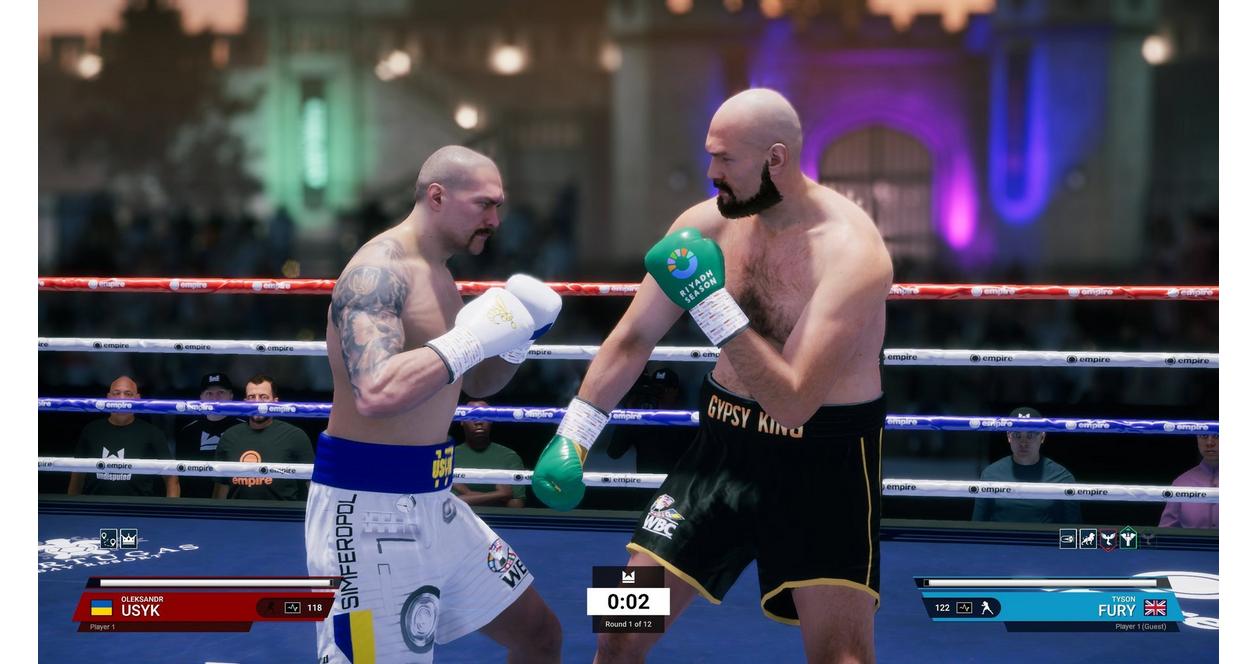
Is Creating a Boxing Videogame Risky?

Is Creating a Boxing Videogame Risky? And Who’s Actually Responsible When It Fails? There’s a lazy narrative that always appears when boxing...