Below is a single, unified article that merges all prior points into one coherent, long-form post. It’s written to stand on its own—clean narrative, no repetition, no back-tracking—something you could publish as a blog post, LinkedIn article, or read straight on a podcast.
Why a Hybrid or “Balanced” Boxing Game Will Not Bring Fans Back
And Why Arcade Boxing Has No Modern Proof of Life
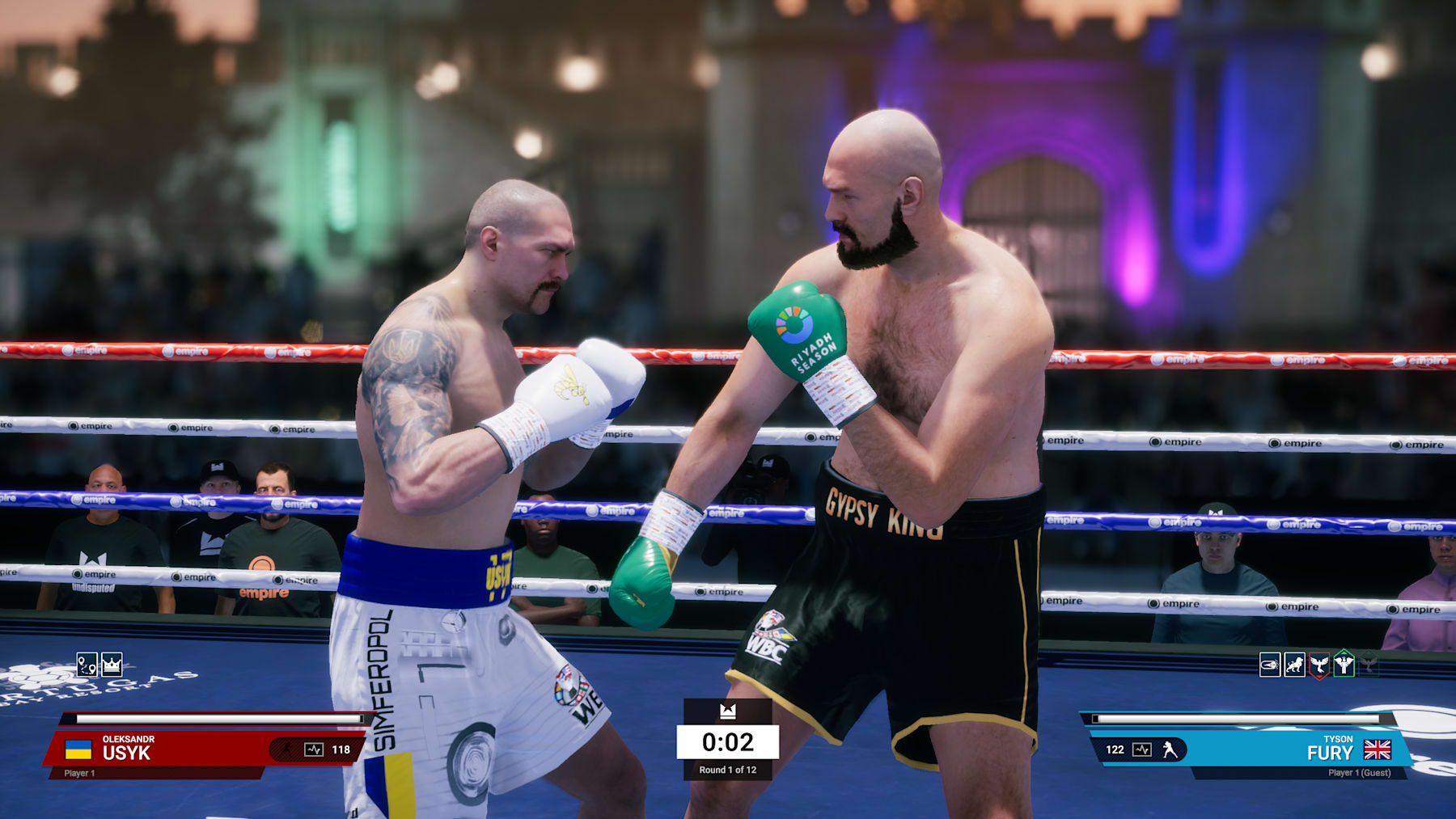
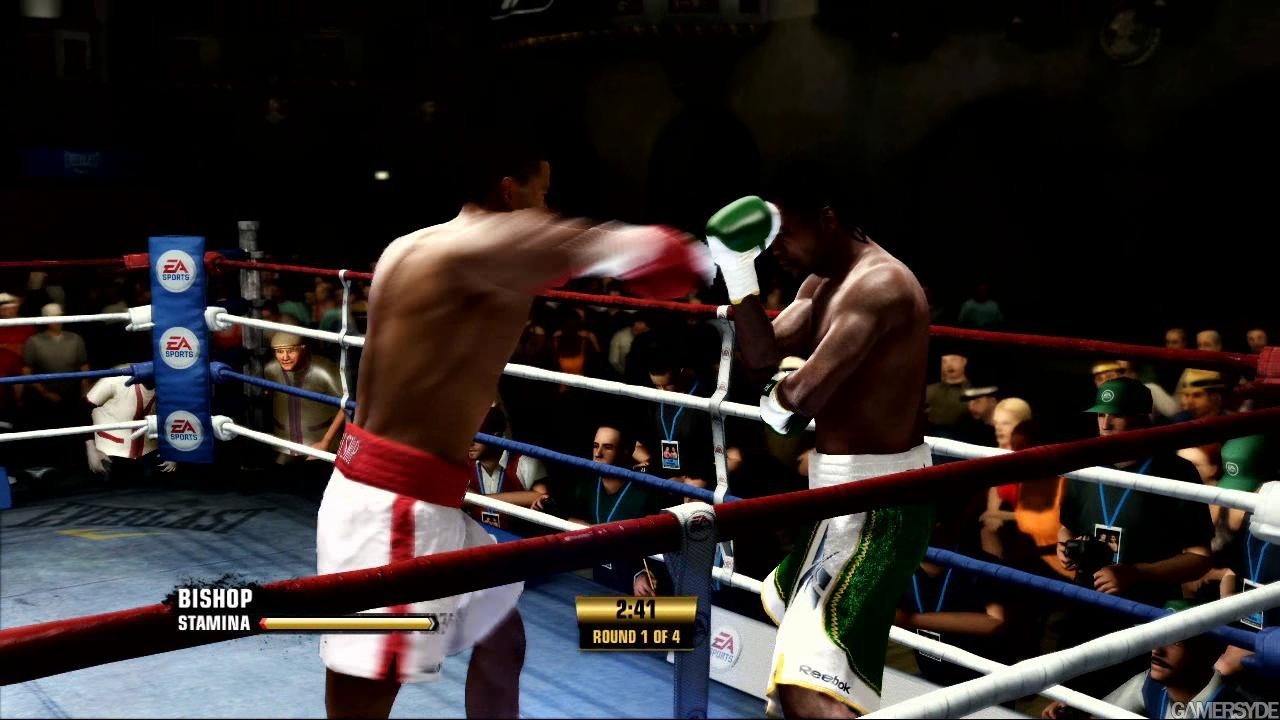



There is a persistent belief inside modern sports-game development that casual players matter more than hardcore fans, and that a hybrid or balanced design approach is the safest way to keep everyone happy.
In boxing games, that belief has never been proven true.
In fact, history shows the opposite: hybrid boxing games do not recover lost fans, and fully arcade boxing games have not succeeded in the modern console market at all.
This isn’t opinion. It’s pattern recognition.
The Misunderstanding at the Core of Modern Boxing Games
When companies say “casuals are more important”, what they usually mean is:
Casuals buy quickly
Casuals don’t complain as loudly
Casuals don’t demand long-term depth
That logic may work in other genres.
It breaks down completely in boxing.
Boxing is not abstract.
It is exposed, intimate, and mechanical.
Every flaw is visible:
Distance
Foot placement
Timing
Fatigue
Damage
Defense responsibility
You cannot simplify those systems without changing what boxing is.
What Actually Happens If Hardcore Fans Walk Away
If hardcore boxing and sports-gaming fans disengage from Undisputed, the short-term results may look deceptively fine:
Initial sales don’t collapse
Marketing still carries the launch
Casual players fill the first few weeks
But then the real damage begins.
Hardcore players are not just “customers.”
They are:
The long-term player base
The competitive backbone
The people who create metas, mods, guides, and discourse
The ones who keep online modes alive
When they leave:
Matchmaking thins out
Skill ceilings flatten
The game feels repetitive faster
Casual players leave next, without understanding why
Casuals don’t build ecosystems.
Hardcore fans do.
The Hybrid Myth: Where Boxing Games Go to Die
A “hybrid” boxing game usually delivers the worst of both worlds:
Too complex for true casuals
Too shallow for boxing fans
Too compromised to feel authentic
This creates a dead zone, a space where:
The game isn’t fun enough to be arcade
Isn’t deep enough to be a simulation
And isn’t honest about what it’s trying to be
Once a boxing game enters that space, it doesn’t recover.
The Historical Reality: Arcade Boxing in the Modern Era
Let’s be direct.
When did an actual arcade boxing game succeed in the modern console market?
It didn’t.
Not sustainably. Not competitively. Not culturally.
Punch-Out!!
Arcade classic revived through nostalgia
Succeeded because of Nintendo's legacy, not boxing realism
Single-player novelty
No competitive ecosystem
No influence on modern boxing design
This was not a model; it was a museum piece.
Creed: Rise to Glory
Arcade systems masked by VR immersion
Niche success is limited by hardware
Not transferable to controller-based boxing games
VR hides shallowness. Controllers expose it.
Big Rumble Boxing: Creed Champions
Fully arcade
Celebrity skins, spectacle over substance
Brief launch buzz
No lasting player base
No competitive credibility
Proof that arcade boxing can launch, but not last.
Real Boxing
Arcade succeeds only in mobile ecosystems
Short sessions, simplified stamina, touch controls
Monetization-driven design
Mobile success does not translate to console authenticity.
The One Modern Benchmark That Still Matters
Fight Night Champion
This is the outlier, and the lesson.
Not pure simulation
But system-driven
Physics-based punches
Damage that accumulates logically
High skill ceiling
Still played, discussed, and referenced over a decade later
Champion didn’t survive because it was “balanced.”
It survived because it tried to respect boxing fundamentals.
Why Boxing Is Different from Other Sports Games
Other sports can hide simplification:
Football hides behind playbooks
Basketball hides behind spacing and shooting
Soccer hides behind flow and animation blending
Boxing has nowhere to hide.
When systems are shallow:
Boxers lose identity
Styles blur together
Outcomes feel artificial
Skilled players feel insulted
There is no invisible scaffolding in boxing.
The mechanics are the experience.
The Industry Lie That Won’t Die
“Hardcore fans scare casual players.”
The truth:
Casuals leave when games feel fake or repetitive
Hardcore fans leave when games feel dishonest
Those are not opposing needs.
They are design and settings problems, not audience conflicts.
Accessibility and authenticity are not enemies; laziness and fear are.
Why a Hybrid Pivot Won’t Bring Fans Back Now
Once trust is broken:
“Balance updates” sound like avoidance
“Tuning patches” feel cosmetic
“Casual focus” reads as surrender
You don’t win back boxing fans by lowering ambition.
You win them back by:
Building real systems
Offering scalable options
Letting players choose realism, not forcing compromise
The hybrid design doesn’t offend loudly.
It quietly convinces everyone that the game isn’t worth staying for.
The Final Reality
Arcade boxing sells copies.
Authentic boxing systems build communities.
There has been no modern arcade or hybrid boxing game that:
Sustained a competitive scene
Earned long-term boxing credibility
Built a lasting ecosystem
Or justified its future on depth alone
If hardcore fans walk away, the game doesn’t explode; it empties out.
And once that happens, no amount of balance patches brings the soul back.


No comments:
Post a Comment